
Category: Aviation & eVTOL · Recommended read time: 4 min
Featured Reading
This commentary builds on reporting by IoT Automotive News, "EmbraerX Unveils New Flying Vehicle Concept for Future Urban Air Mobility."
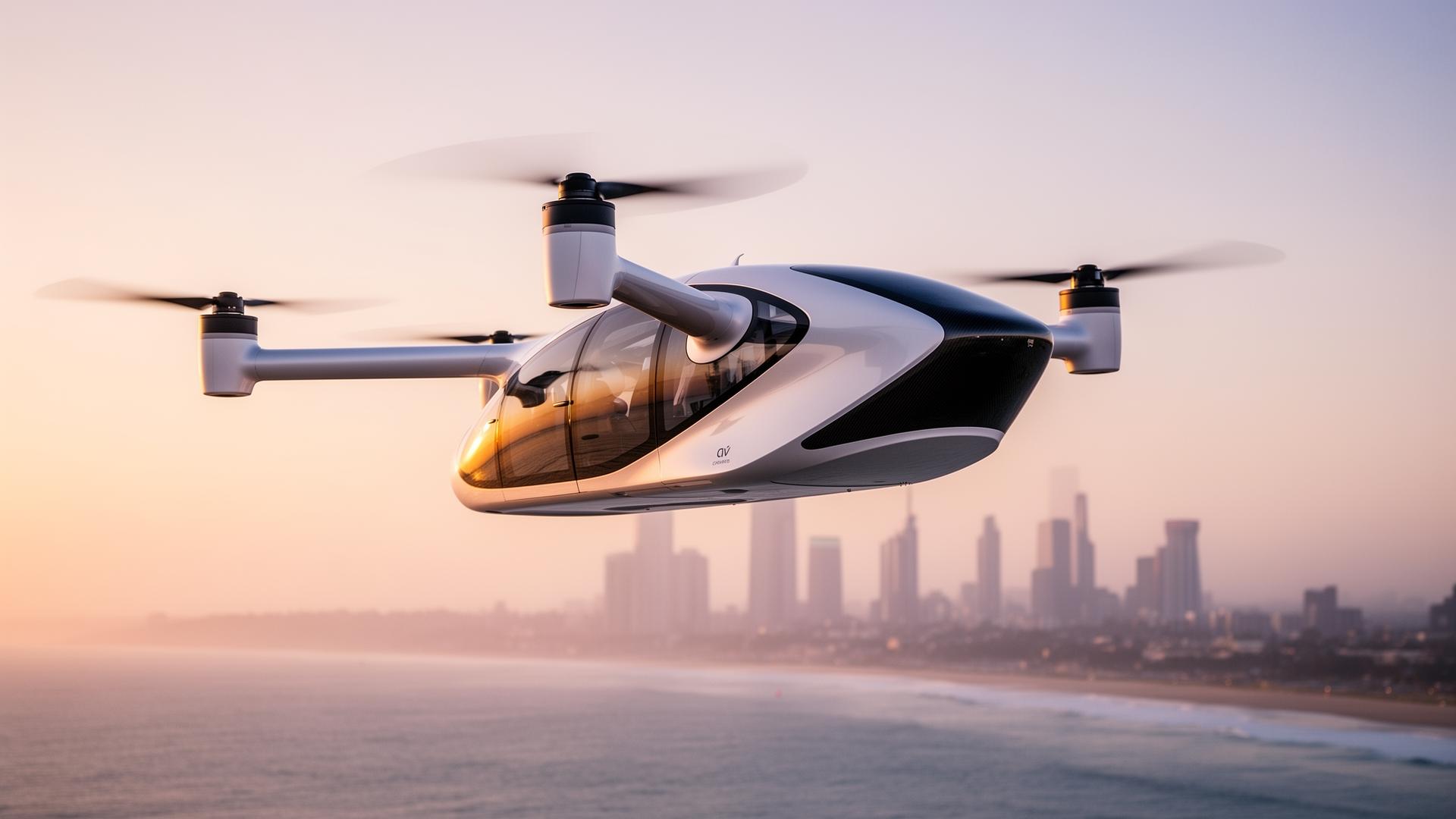
At the Uber Elevate Summit in Washington, D.C., EmbraerX, the disruptive innovation arm of one of the world's most established regional aviation manufacturers, unveiled a new electric vertical take-off and landing concept. The aircraft is the latest expression of a multi-project effort to make urban aerial ridesharing a daily, ordinary reality.
The headline is the vehicle. The real story is the philosophy behind it: a 50-year-old aviation house deliberately starting from the passenger, not the airframe.
What EmbraerX Actually Showed
The concept is fully electric, with vertical take-off and landing capability and a progressively autonomous flight profile. Its eight-rotor configuration, described by Uber's Mark Moore as enabling "span-wise lift," is engineered to deliver redundant safety while keeping the aircraft quiet enough to operate inside dense urban airspace.
Antonio Campello, President and CEO of EmbraerX, framed the work as combining "human-centered design thinking" with Embraer's five decades of building and certifying aircraft. The vehicle is one node in a wider system that also includes Beacon, a digital platform for aviation services and aftermarket coordination, and a proposed urban airspace design developed with air traffic controllers, pilots, and academics.
In other words: EmbraerX is not designing an aircraft. It is designing an ecosystem and using the aircraft as the visible artifact.
Why Human-Centric Engineering Is the Real Headline
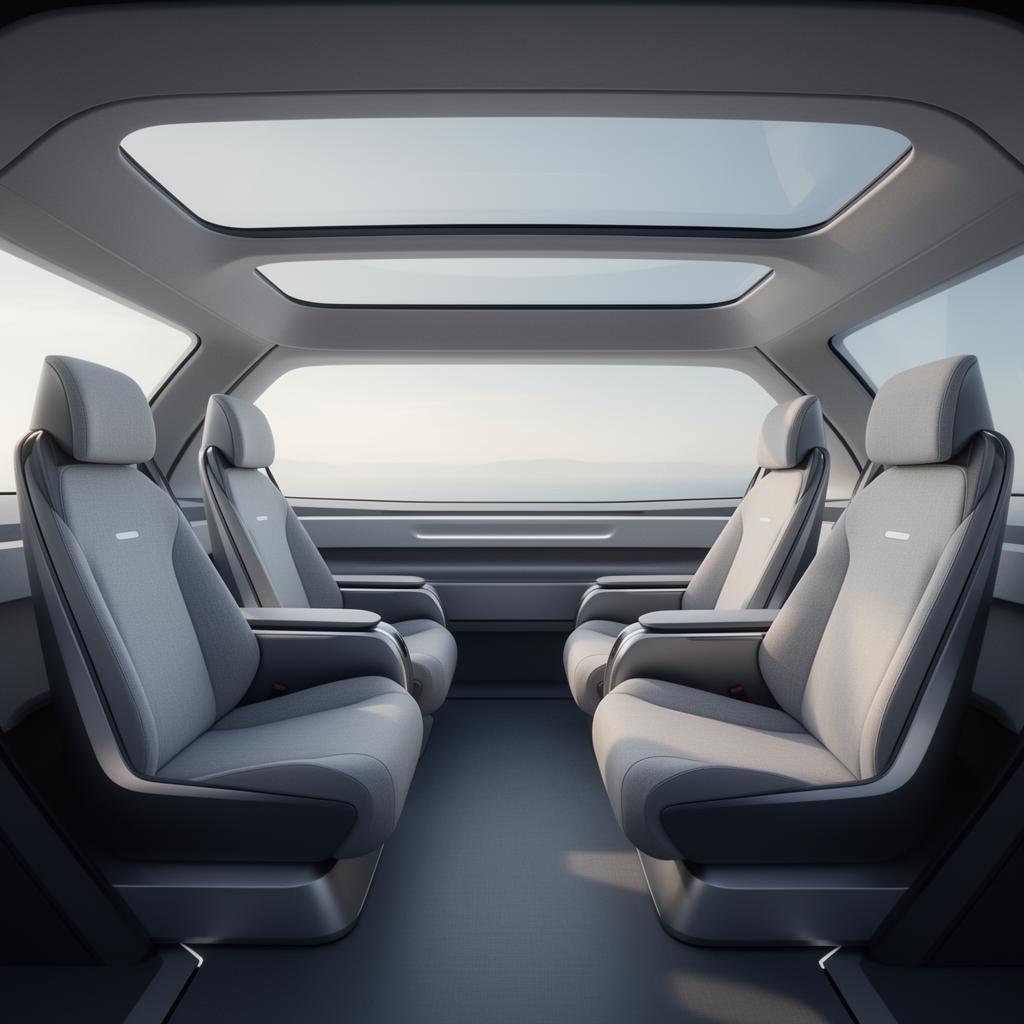
Most aerospace programs begin with the airframe and ask the customer to adapt. EmbraerX has reversed the order. Campello's team has been explicit that the eVTOL is built around user experience and passenger peace of mind, with the stated goal of making the aircraft "easily accessible to every person."
That phrasing matters. Accessibility, in aviation, has historically meant price and frequency. Here it means something different: the cognitive and emotional ease of stepping into an electric aircraft for a routine urban trip, with the same lack of hesitation a passenger brings to a rideshare on the ground.
The eight-rotor architecture is part of that promise. Redundancy is a safety story, but it is also a trust story. A passenger who can see, hear, and feel that the aircraft was designed to keep flying through a fault is a passenger who books a second flight.
A passenger who can see, hear, and feel that the aircraft was designed to keep flying through a fault is a passenger who books a second flight.
Why the Ecosystem Is the Moat
The aircraft alone does not unlock urban air mobility. EmbraerX clearly understands this. Beacon, the company's fleet-agnostic platform, is designed to connect aircraft, aftermarket supply chains, and aviation service professionals so that operational uptime can scale at the rate the consumer market demands.
Alongside Beacon, EmbraerX has proposed an urban airspace design developed with the people who will actually have to operate it: air traffic controllers, pilots, and industry experts. This is the unglamorous infrastructure that determines whether eVTOL becomes a real category or stays a beautiful prototype.
Vehicle, platform, airspace. The companies that ship all three coherently will define the operating standard for everyone else.
The Elomria Read
EmbraerX validates a position we have been building toward: the winners of urban air mobility will not be the companies with the most novel airframe. They will be the companies that engineer the passenger relationship, the operational ecosystem, and the airspace governance as a single coherent product.
That is the layer Elomria is investing in. Vertiport experience, ground choreography, identity and trust, the workforce trained to operate it, and the standards that allow a premium passenger to step in, sit down, and not think twice. The aircraft is the most visible piece. It is not the most important one.
Human-centric is not a feature of the cabin. It is the discipline that decides the category.