
Category: Aviation & eVTOL · Recommended read time: 4 min
Featured Reading
This commentary builds on reporting by IoT Automotive News, "Porsche and Boeing to Partner on Premium Urban Air Mobility Market."
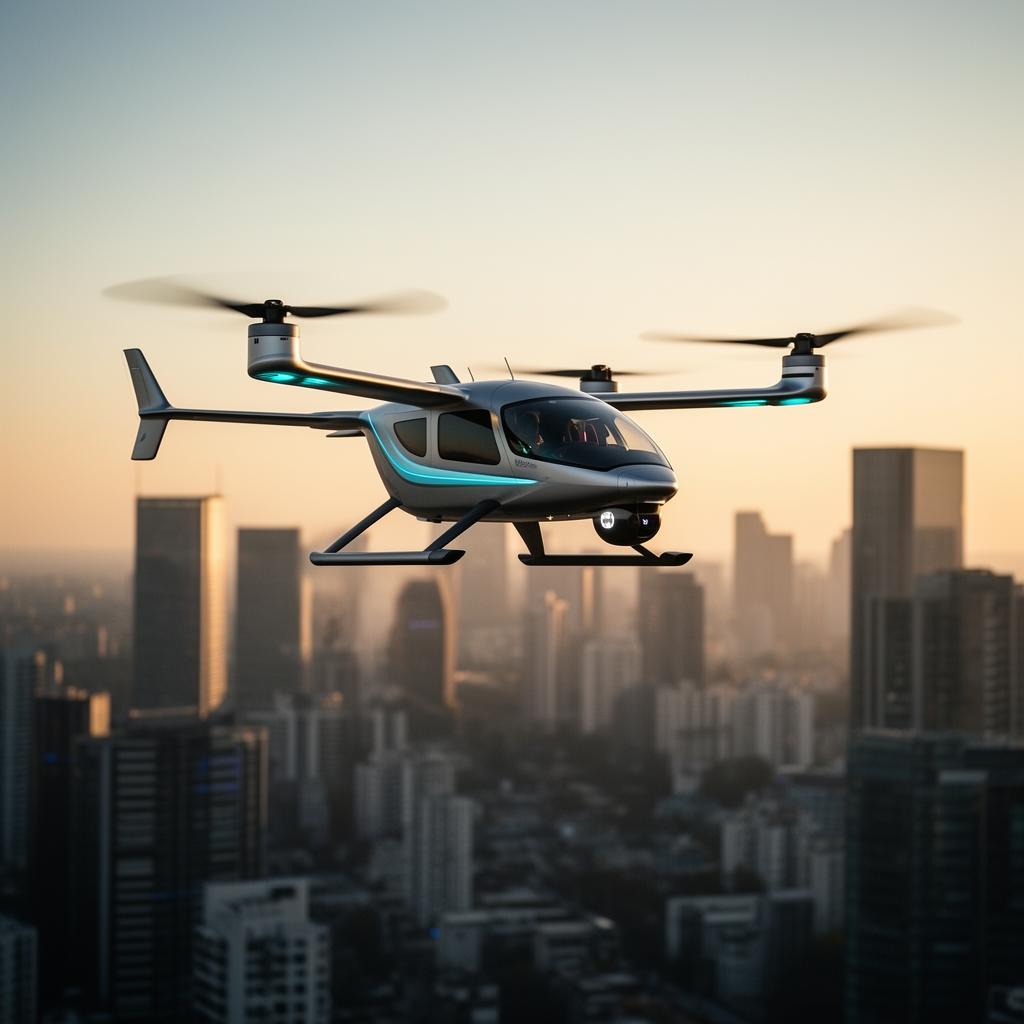
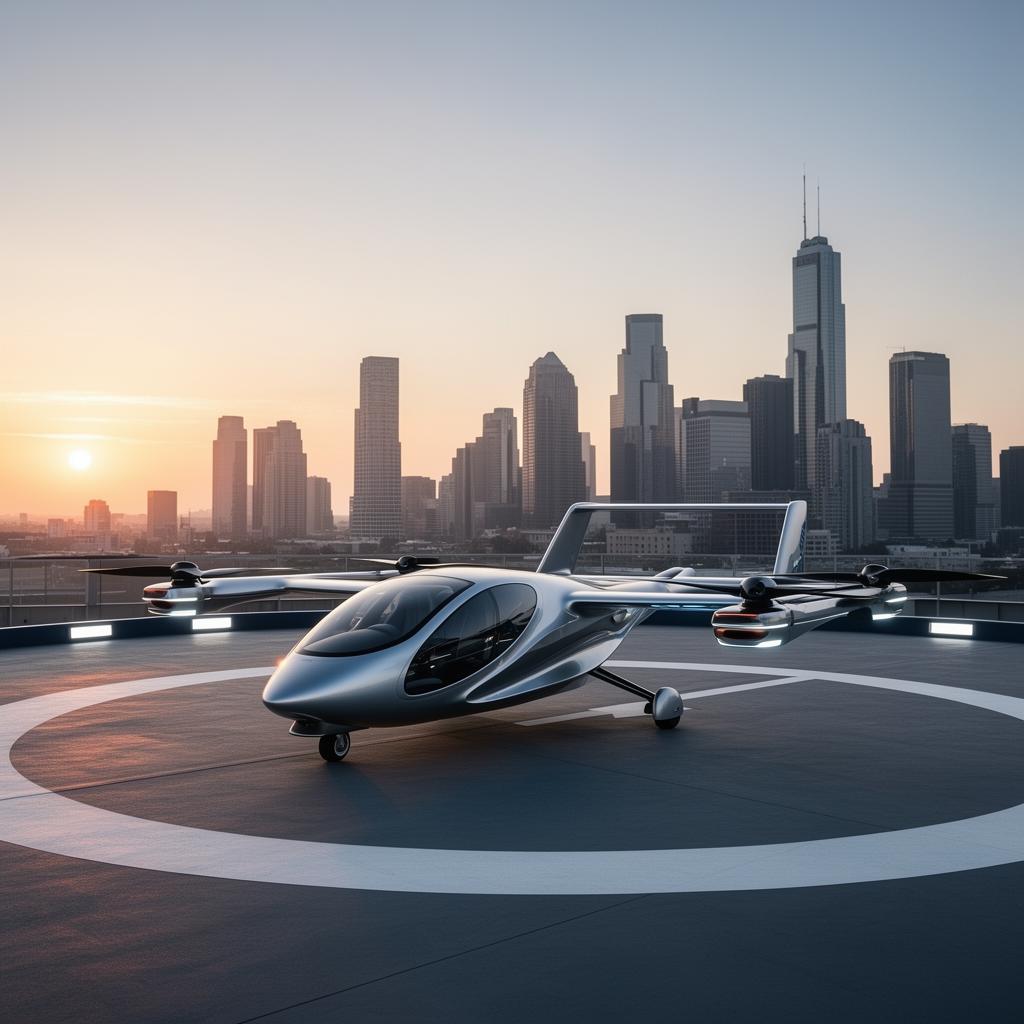
Two of the most recognizable names in global engineering, one defined by the road, the other by the sky, have agreed to study the future together. Porsche and Boeing have signed a Memorandum of Understanding to jointly explore the premium urban air mobility market, with Boeing subsidiary Aurora Flight Sciences and Porsche's own engineering and design houses building toward a fully electric vertical takeoff and landing concept.
The announcement reads, on the surface, like a press release. Read more carefully, it is a category signal. Premium urban air mobility is no longer an idea on a designer's mood board. It is becoming a market with named participants.
What Was Actually Announced
The two companies will create an international team to analyze the market potential for premium urban air mobility, study possible use cases, and co-develop a concept vehicle. Engineering will be led jointly by Boeing, Aurora Flight Sciences, Porsche Engineering Services, and Studio F.A. Porsche, with the goal of implementing and testing a prototype.
Detlev von Platen, Porsche's Member of the Executive Board for Sales and Marketing, framed the move plainly: Porsche is pushing beyond the sports car category to become "a leading brand for premium mobility," and that ambition now extends, in his words, into "the third dimension of travel."
From Boeing's side, Steve Nordlund, who leads Boeing NeXt, described the partnership as an opportunity to develop a premium urban air mobility vehicle with a leading automotive brand and to combine "precision engineering, style and innovation" across two very different operating cultures.
Why the Pairing Matters
Most early urban air mobility programs have been built either by aerospace incumbents adapting helicopter logic to electric propulsion, or by venture-funded startups designing the vehicle and the operating model from a blank page. Both paths share a common gap: neither has spent a century designing for the individual customer's relationship with a vehicle.
That is the gap Porsche is built to close. Boeing brings airworthiness, certification depth, and an engineering culture organized around safety at scale. Porsche brings what no aerospace company has ever needed to deliver: a personal, emotional, ownership-grade relationship with a machine.
The interesting question is not whether the aircraft will fly. It is what the cabin will feel like, how the boarding ritual will be designed, and what the customer will be told about themselves by the act of choosing it.
The interesting question is not whether the aircraft will fly. It is what the cabin will feel like.
A Category Signal, Not a Product Launch
A Porsche Consulting study cited in the announcement projects that the urban air mobility market accelerates after 2025, with the promise of moving passengers more quickly, more flexibly, and at lower cost than terrestrial alternatives. Whether the exact timeline holds or slips by a few years is, in our view, beside the point.
What matters is the institutional shape of the bet. When a 100-year aviation incumbent and a luxury automaker formalize a partnership at the executive level, they are not gambling on a niche. They are positioning for a category that they believe will be permanent.
The premium segment of urban air mobility will not be defined by who flies first. It will be defined by who is trusted, by ownership-grade customers, to fly them often.
The Elomria Read
The Porsche, Boeing partnership confirms a thesis we have been operating on: advanced air mobility will split into tiers, and the premium tier will be won by operators who treat the vehicle as the visible tip of a much larger experience system, identity, ground handling, lounge, ritual, after-flight relationship.
That is the layer we are building at Elomria. The infrastructure of trust, the workforce that operates it, and the service standard that turns a flight into something a customer chooses again. The aircraft is a beautiful object. The category is everything around it.
When the third dimension of travel opens, the brands that own it will be the ones who already understood the first two.